Cold Fusion Bonds vs. K-Tips: Why They're Not the Same
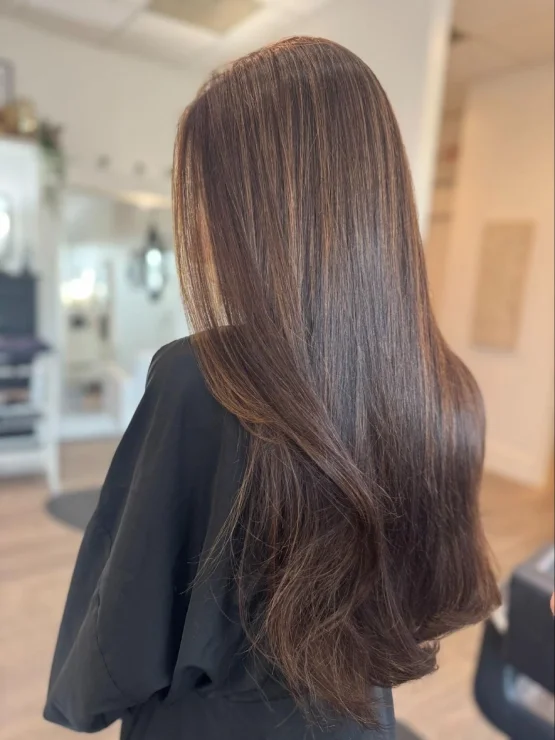
If you've been researching hair extension methods, chances are you've come across both K-tips and cold fusion bonds. Many people assume they're basically the same thing, just with different names. But that's not quite right. While both use keratin bonds and are applied strand by strand, the way they work, how they feel, and the impact they have on your natural hair are actually pretty different.
This guide breaks down what K-tips are, what cold fusion bonds really are, and the key differences between them so you can figure out which option lines up with your hair goals.
Table of Contents:
K-tip hair extensions, also known as keratin tip extensions, are one of the most popular methods for adding length and volume. Each extension strand comes pre-tipped with a small keratin-based adhesive shaped like the letter "K".During application, a stylist uses a heat tool to melt the tip and fuse it to your natural hair strand.
Because they're applied individually, K-tip extensions provide a natural look and feel that many other methods can't replicate. The extensions blend seamlessly with your own hair, and when placed precisely by expert stylists, they're virtually undetectable. That's a big part of why they've become a preferred choice for individuals seeking a flawless blend without the bulk of tape-ins, sew-ins, or clip-ins.
K tip extensions typically last around three to four months with proper care and regular maintenance appointments. They work well on most hair types, though they are especially popular with people with thicker hair that can handle the weight of individual strands.
One thing worth noting: because the application bonds, there is some heat exposure during the process. For people with fine or thinning hair, that's something to think about before committing.
Cold fusion bonds adopt a distinct method. Instead of using heat to melt keratin onto your hair, this extension method relies on a special solution or ultrasonic technology to secure the bond. The result is a connection that holds just as well but skips the high temperatures altogether. This is a big deal for hair health. Because there's no heat involved in bonding the extension to your natural hair, you're reducing the risk of hair breakage and stress on the strand.
The bonds tend to sit flatter on the scalp, creating a more comfortable, lightweight feel throughout the day.
Cold fusion bonds are applied strand by strand, similar to K tips, so you still get that natural movement and natural appearance. They're also a strong option for people with fine or thinning hair, since the gentler application process puts less strain on each individual strand as your natural hair grows. Also, the process is much better than heating, as research has shown that heat above 140°C can cause profound, irreversible structural changes in hair fibers.
Here's where a lot of the confusion comes from. People see that both methods use keratin bonds and are applied to individual hair strands, so they lump them together. Some even call cold fusion bonds "upgraded K tips".But that's kind of like calling I-tips the same as tape-ins just because they both add length. The technology behind them is fundamentally different.
Cold fusion bonds weren't designed as an improvement on k-tip extensions. They were developed as a completely separate extension method that prioritizes a no-heat application process. The philosophy behind each method is different. K-tips rely on heat activation as the core bonding mechanism. Cold fusion bonds avoid heat entirely and use an alternative bonding approach.
That distinction matters, especially when you're considering long-term hair health and how your natural hair grows during the life of the extensions.
Honestly, it depends on a few things.
If you have thicker hair types and want a proven, time-tested method with versatile styling options, K-tip extensions are still a fantastic choice. They offer a natural look and a flawless blend, and they've been around long enough that most experienced stylists know exactly how to work with them.
If you have fine or thinning hair, or you want to minimize potential stress on your strands, cold fusion bonds might be a better fit. The no-heat process and lightweight feel make them a perfect solution for anyone who's cautious about protecting their natural hair.
Either way, a professional consultation is the smartest first step. Your stylist can assess your hair type, your lifestyle, and your goals to recommend the right path. Whether you're looking at hair extension services for the first time or exploring newer extension types like combline extensions, having that conversation with someone who understands your hair makes all the difference.
As far as cold fusion bonds are concerned, there are a few myths:
They don't hold as well as heat-bonded extensions
Not true. When applied correctly by expert stylists, cold fusion bonds hold just as securely. The bonding technology is different, but the durability is comparable.
They're only for people with damaged hair
Also not accurate. While they are a wonderful option for people concerned about hair breakage, they work beautifully on healthy hair, too. It's not a corrective method. It's simply a gentler one.
They require more frequent maintenance than k tips
Both methods need regular maintenance appointments to keep everything looking fresh and to prevent tangling. Neither is it dramatically more time-consuming to maintain.
Cold fusion bonds look less natural
When properly placed, they deliver the same natural blend and appearance as any other high-quality fusion extension The applied strand sits flat and moves with your hair, resulting in a seamless look.
Choosing between cold fusion bonds and K-tip extensions isn't really about which one is "better" across the board. It's about which one is better for you. Both are legitimate, professional-grade extension methods with unique advantages. The right choice comes down to your hair type, your comfort preferences, and what matters most to you about hair health.
Don't just go with whatever's trending. Talk to a stylist who actually understands these methods, get a full head assessment, and decide based on what your hair actually needs. That's always going to give you the best result.
-
No. While both use keratin bonds and are applied to individual strands, the application process is different. K-tips use a heat tool to melt the keratin tip onto your hair. Cold fusion bonds use a special solution or an ultrasonic method without heat. They're distinct extension types with different approaches.
-
They do not. That's the defining feature of cold fusion as an extension method. The bond is activated without heat, making it a popular choice for individuals seeking a gentler option, particularly those with fine or thinning hair.
-
Generally, yes. Both methods can last several months with proper care and regular maintenance. How long do K-tip or cold fusion extensions last exactly? It varies depending on your natural hair growth rate and how well you follow aftercare instructions, but the lifespan is comparable between the two.
-
They tend to be gentler because there's no heat exposure during application. That said, k-tip extensions are also considered safe when applied correctly by a skilled stylist. The biggest factor in preventing damage with any extension method is proper application and regular maintenance, not just the method itself.